






 Collaboration
Engineering collaboration
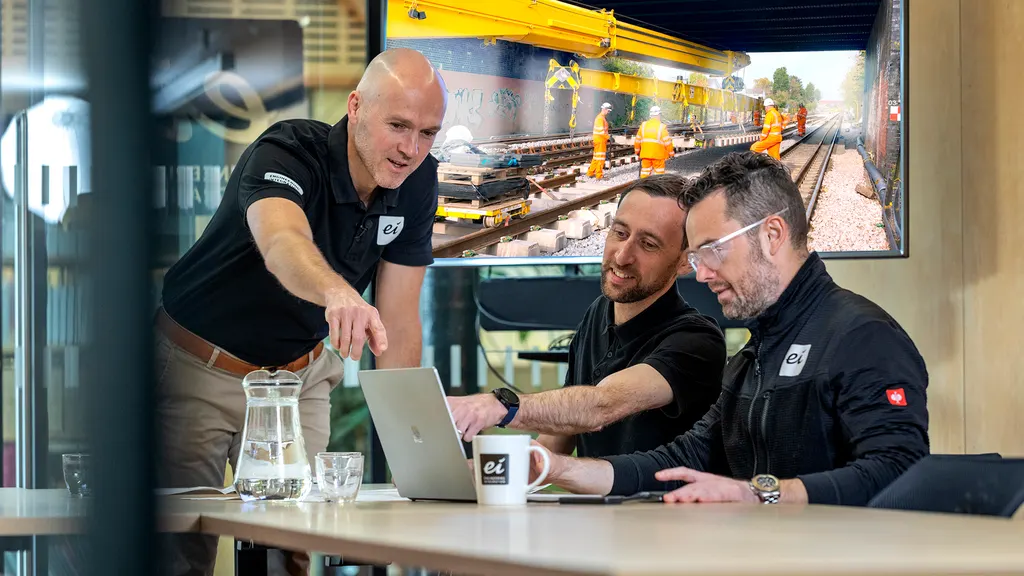
Bringing the right people together to solve complex engineering challenges.
FIND OUT MOREA highly competent team of engineering experts delivering technically challenging projects.
ei work across multidisciplinary rail schemes resulting in high quality engineering outcomes.
A highly competent team of engineering experts delivering technically challenging projects.
ei integrate design, construction and assurance from contract requirements through to entry into service.
 Collaboration
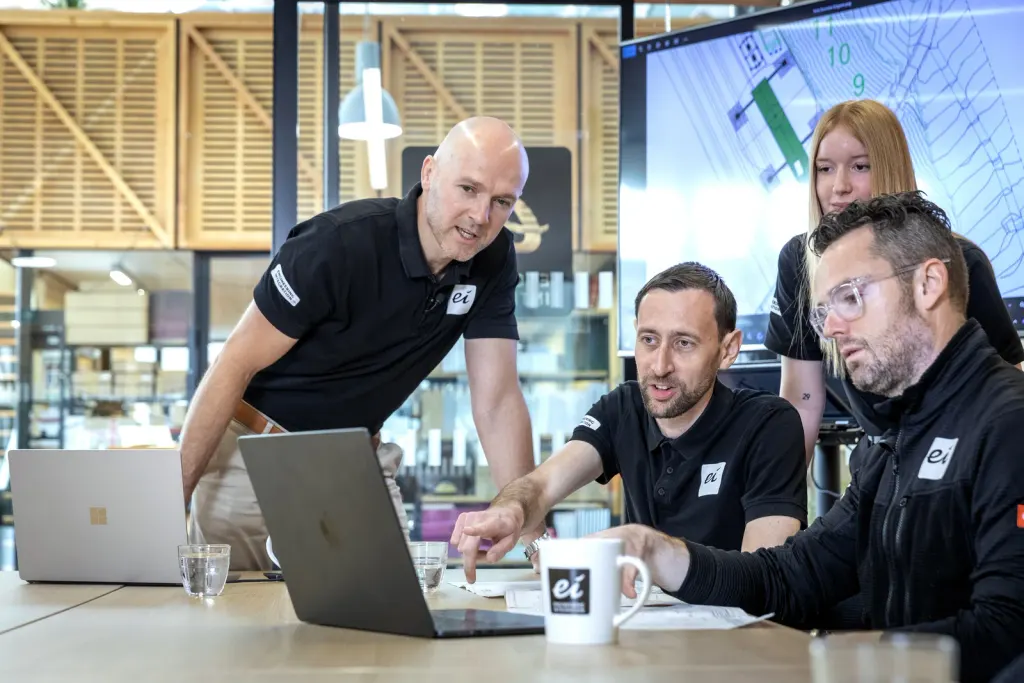
Bringing the right people together to solve complex engineering challenges.
FIND OUT MORE Innovation
 with a purpose: better evidence, safer decisions and smarter delivery.
FIND OUT MORE Expertise
Experienced engineers bringing practical knowledge to overcome challenges.
FIND OUT MORE Safety
 Assurance
 that enables delivery with progressive and pragmatic implementation .
FIND OUT MOREOur experienced team offer technical competence, accuracy and expert engineering management. We help deliver effective and efficient projects.
ei deliver and supply full multi-disciplinary support to your rail project.




Slide 2 of 19
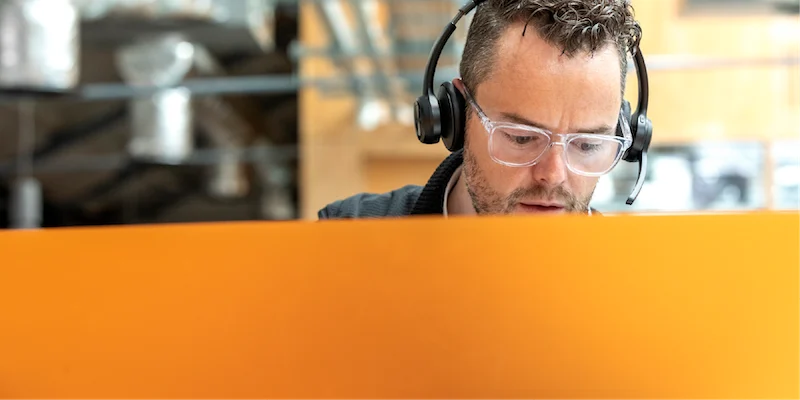
Bringing the right people together to solve complex engineering challenges.
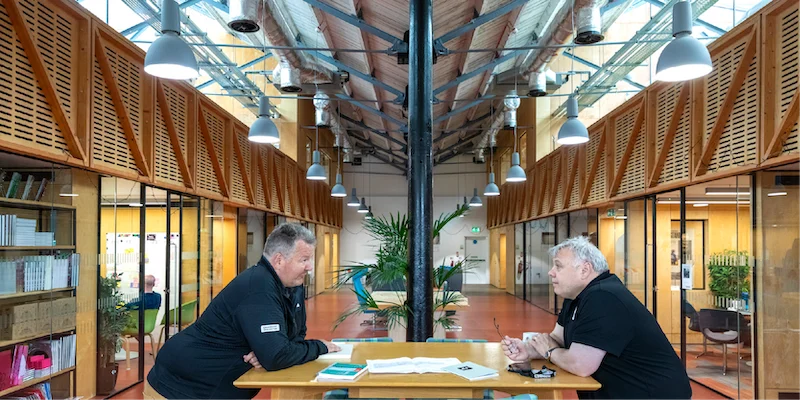
We integrate with clients, designers, contractors and specialist partners, creating the collaborative environment needed to manage interfaces, challenge constructively and make better engineering decisions. We treat our role as to become part of the team and help turn individual expertise into coordinated delivery.
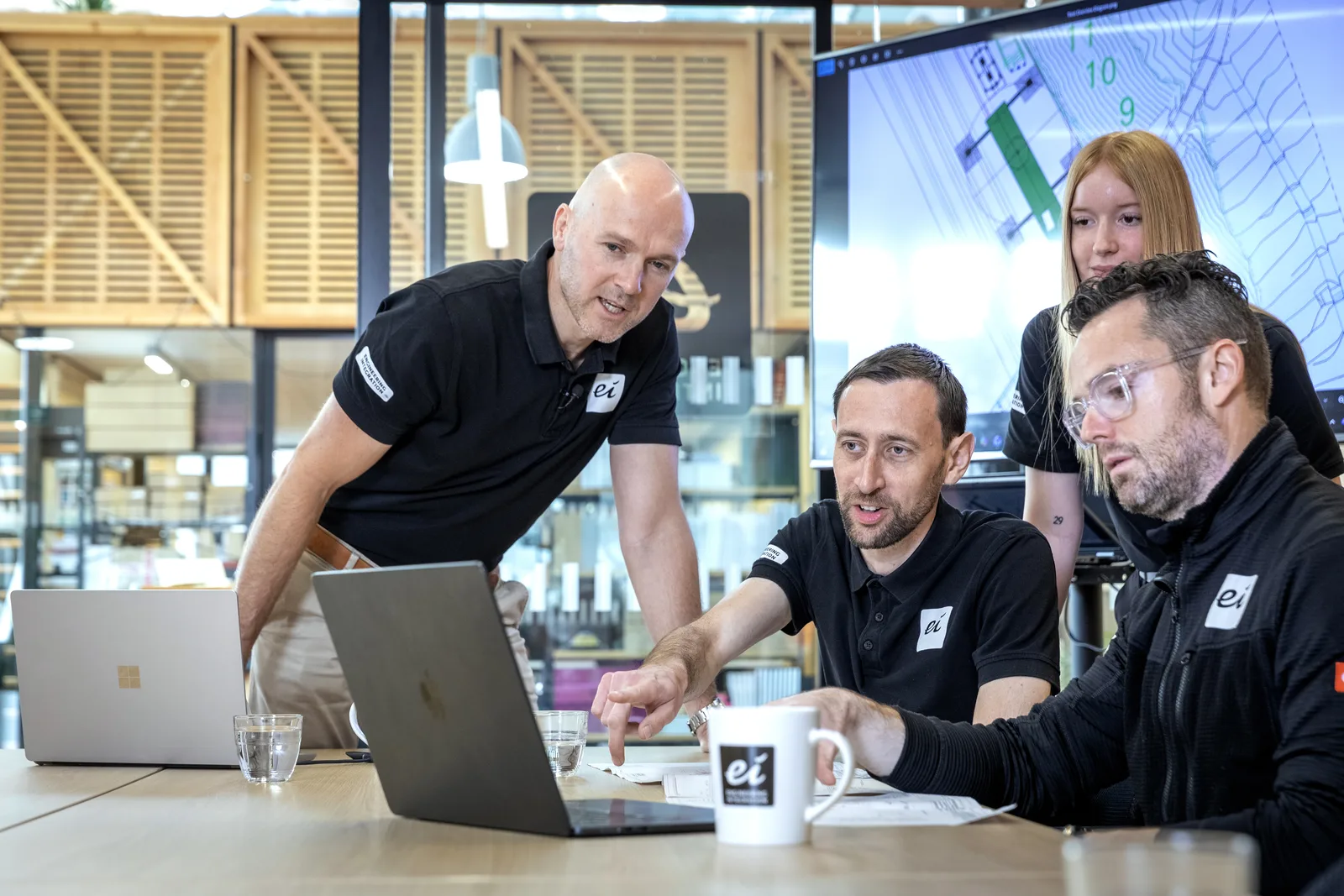
Innovation with a purpose: better evidence, safer decisions and smarter delivery.
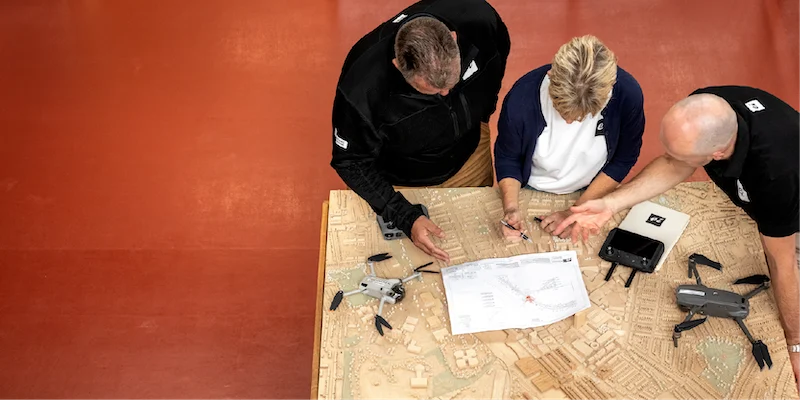
We combine engineering experience with emerging technology and new ways of working to solve real project situations. From UAV and LiDAR applications to remote monitoring, digital surveying and new assurance methods, we develop innovations beyond demonstration and actually integrate them into engineering governance.
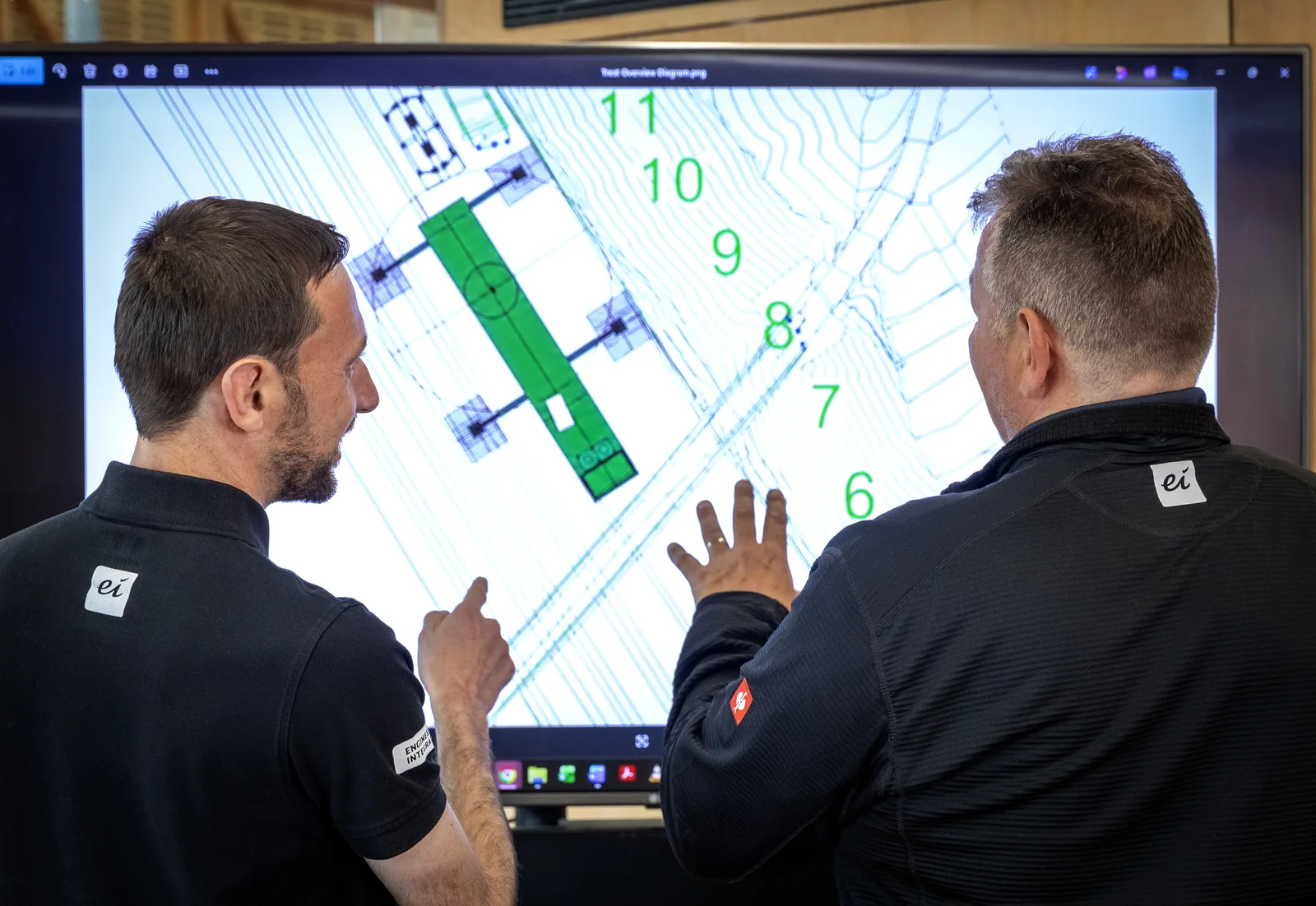
Experienced engineers bringing practical knowledge to overcome challenges.
Our strength is our people. ei brings together experienced engineering practitioners who understand how projects are designed, assured, constructed, commissioned and operated. We provide expertise where it adds most value, from engineering leadership and specialist technical advice to independent review, competency development and project completion.
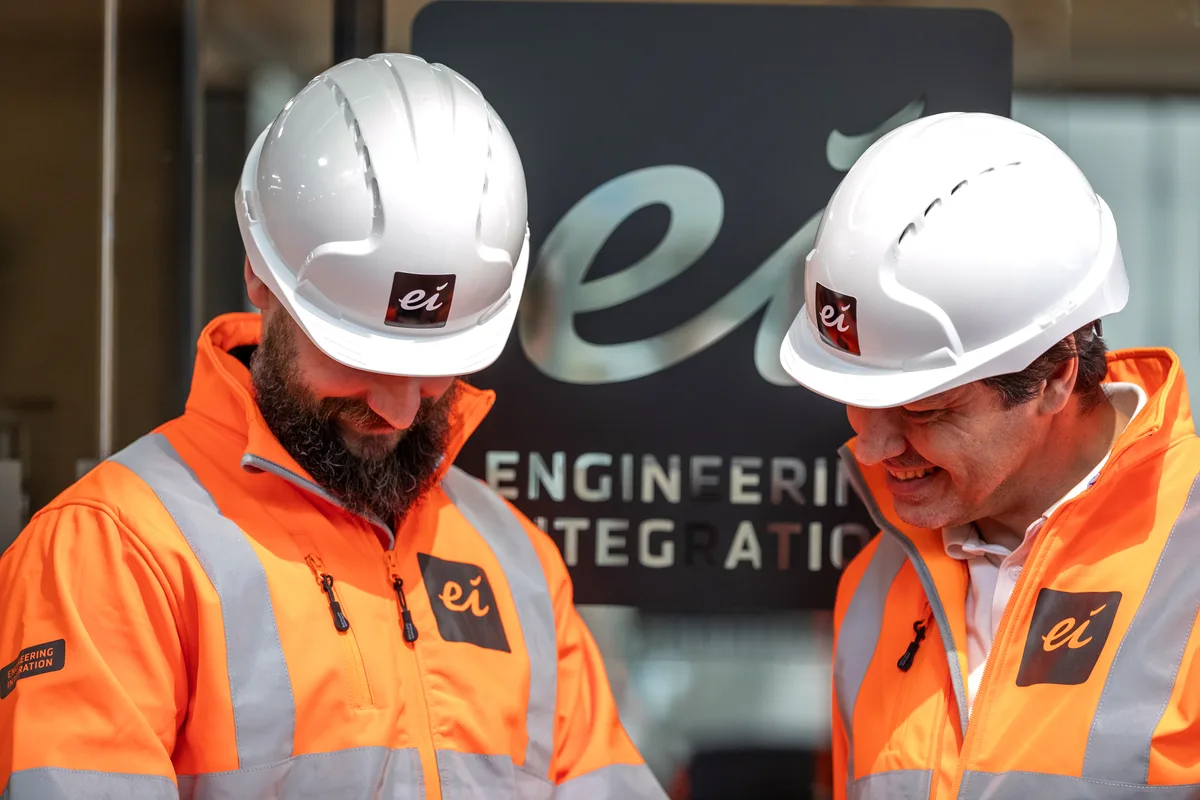
Putting sound engineering judgement at the heart of safe delivery.
We help teams understand risk, challenge assumptions and make proportionate, evidence-based safety decisions throughout the engineering lifecycle. From CSM and hazard management to CDM and engineering safety leadership, we connect safety management with the engineering decisions that actually shape a project's safe and successful outcome.
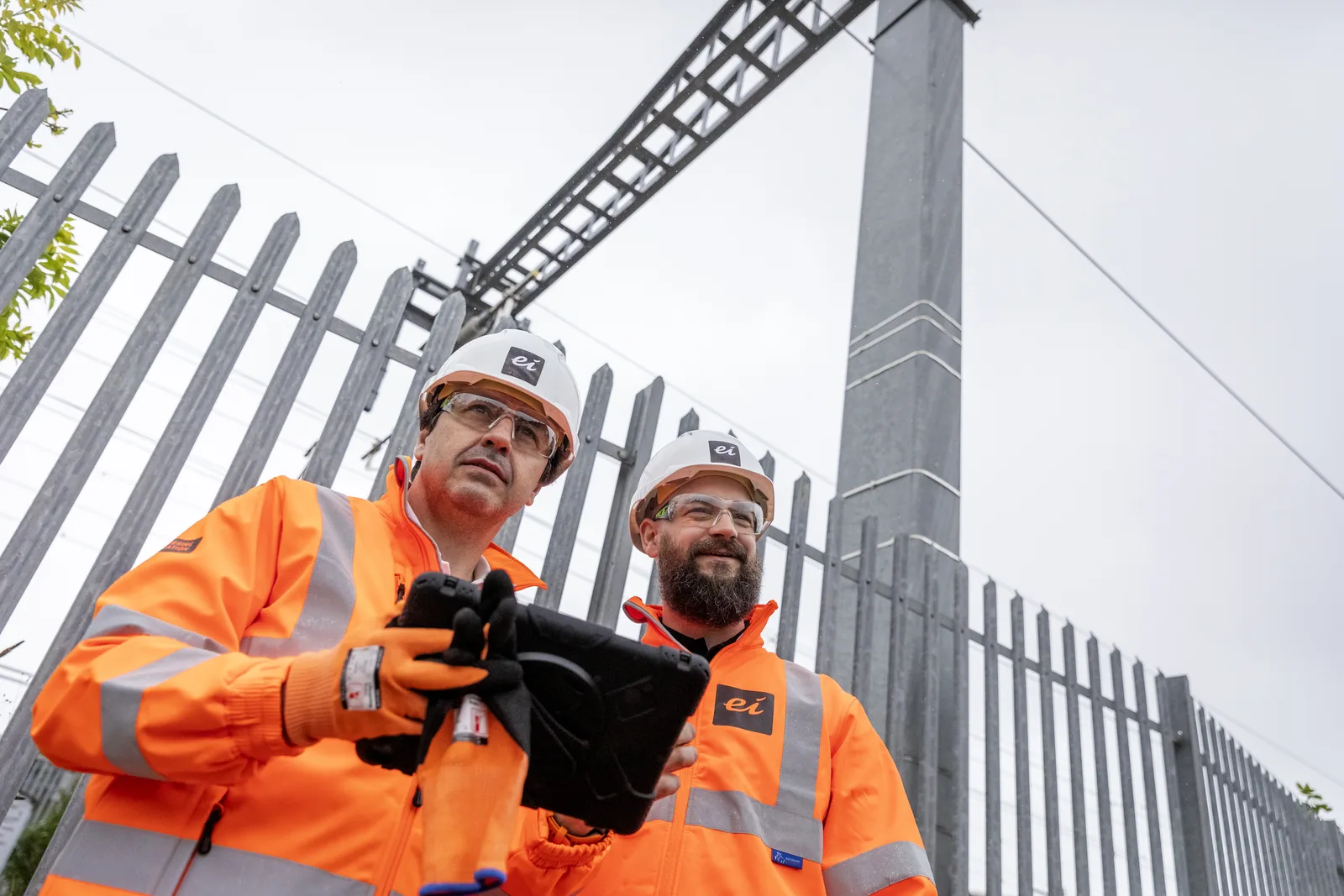
Assurance that enables delivery with progressive and pragmatic implementation .
We help clients establish clear, proportionate and auditable assurance from the outset, providing competent people, independent challenge and demonstrable evidence needed to move projects confidently towards acceptance and operation. We focus on assurance to provide early clarity, support timely decisions and instil confidence that the engineering is ready for its intended purpose.
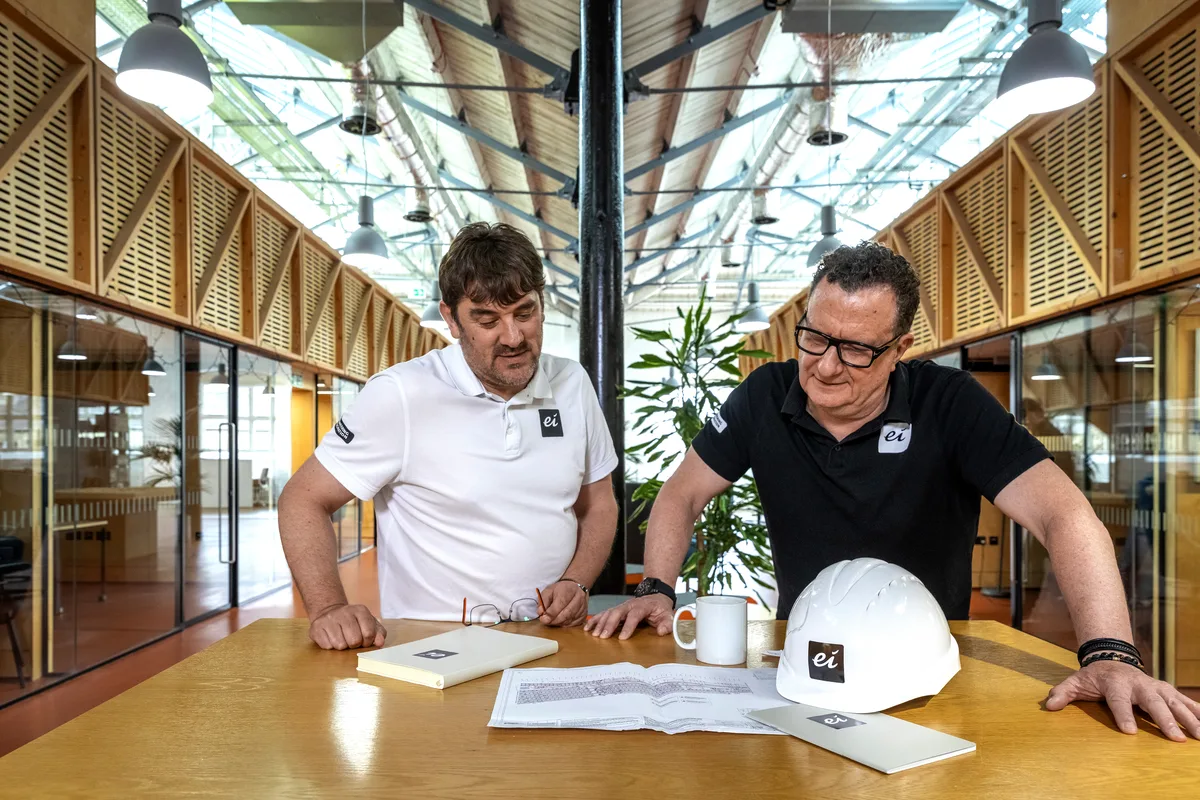
An integrated engineering approach to maximize safety for passengers and workers while minimizing site disruptions.
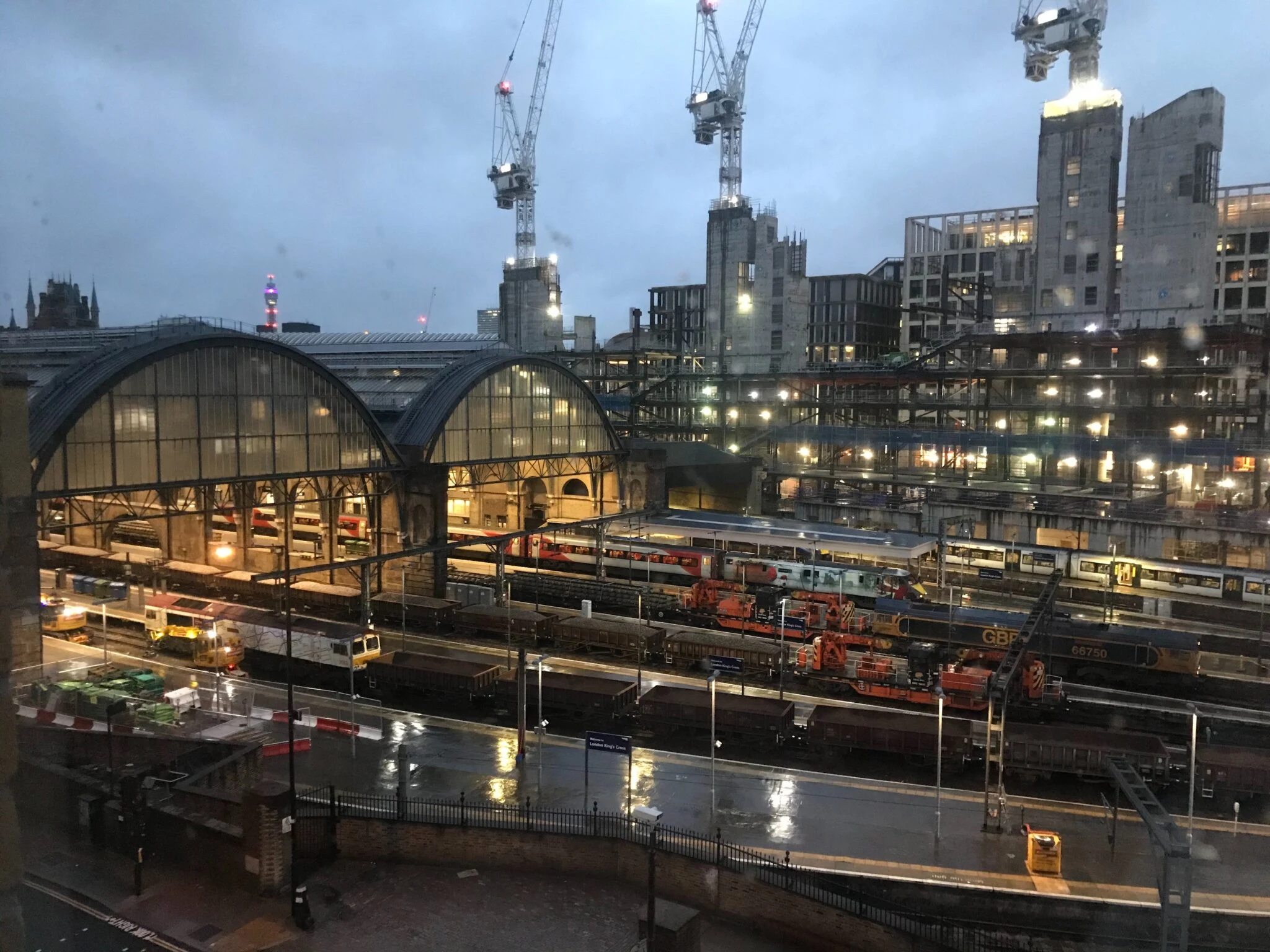
Working within the "Throat"—the ultra-dense network of converging tracks and junctions serving King’s Cross—presented the highest operational risk and safety challenge on Network Rail’s major station upgrade. In a high-density area where lines constantly cross, any failure, malfunction, or safety incident carries severe operational and financial consequences. Serving as Lead Construction Engineer, ei prioritized an integrated engineering approach to maximize safety for passengers and workers while minimizing site disruptions. By leading comprehensive constructability workshops, ei transformed the construction approach: shifting high-risk site assembly into off-site manufacturing through the extensive use of pre-fabricated components. Paired with advanced digital simulation tools to model construction sequences and identify hazards before breaking ground, ei eliminated potential risks on paper before work began on site. When Network Rail was required by the government to accelerate works during the COVID-19 pandemic, this pre-planned safety and pre-fabrication framework allowed the project to safely compress timelines while staying on schedule and within budget.
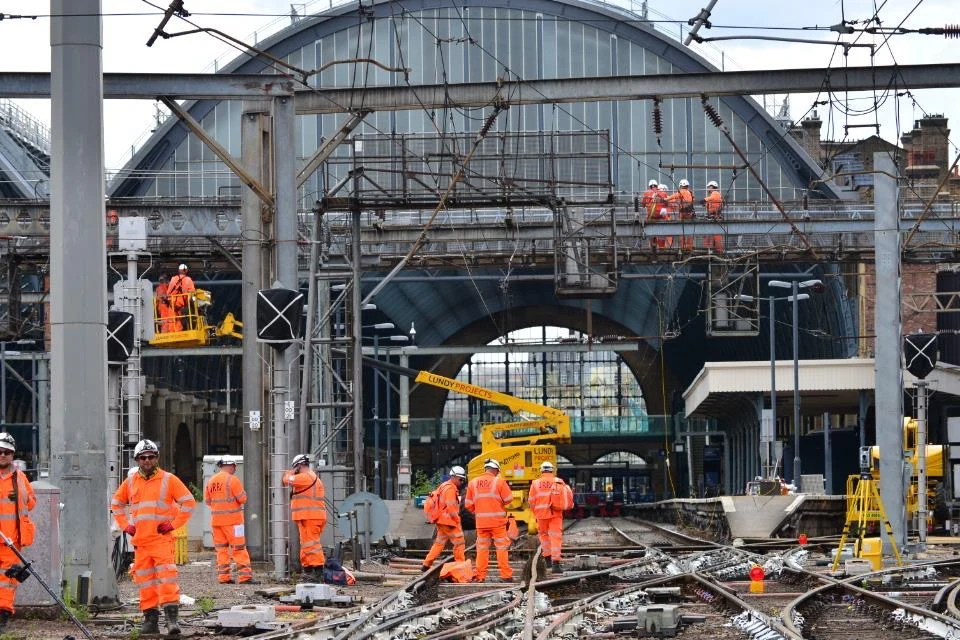
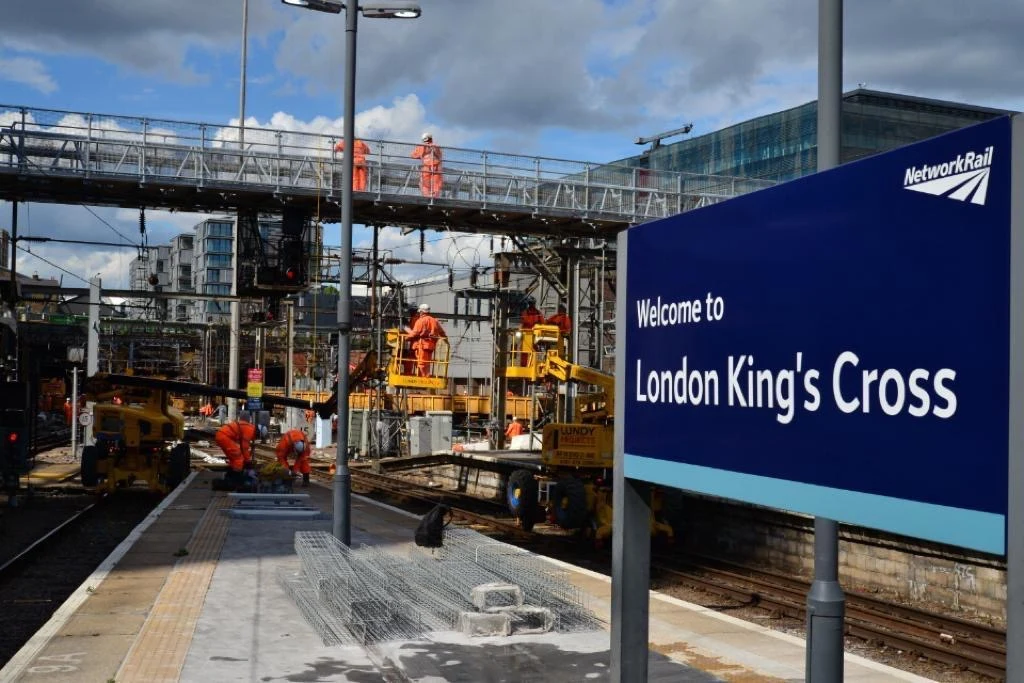
Reduced Worker Risk: Shifting track and signaling work to off-site pre-fabrication minimized time spent on site, directly reducing hazards for workers. Liability & Risk Prevention: Identifying potential hazards and spatial clashes in advance through advanced simulations protected the client from high-cost operational failures and line closures. Safe Schedule Acceleration: The pre-planned installation strategy enabled the project to rapidly respond to government acceleration directives, completing works safely on time and within the revised budget.
"The King’s Cross Re-modelling project was completed successfully, on time and within the revised budget. The government required the construction to be accelerated, taking advantage of the drop in patronage during the Covid-19 Pandemic. The remodeled station now has increased capacity, improved safety features, and better operational efficiency."

In addition to leading constructability and safety strategy for the station throat, ei delivered comprehensive rail integration services across the project footprint:
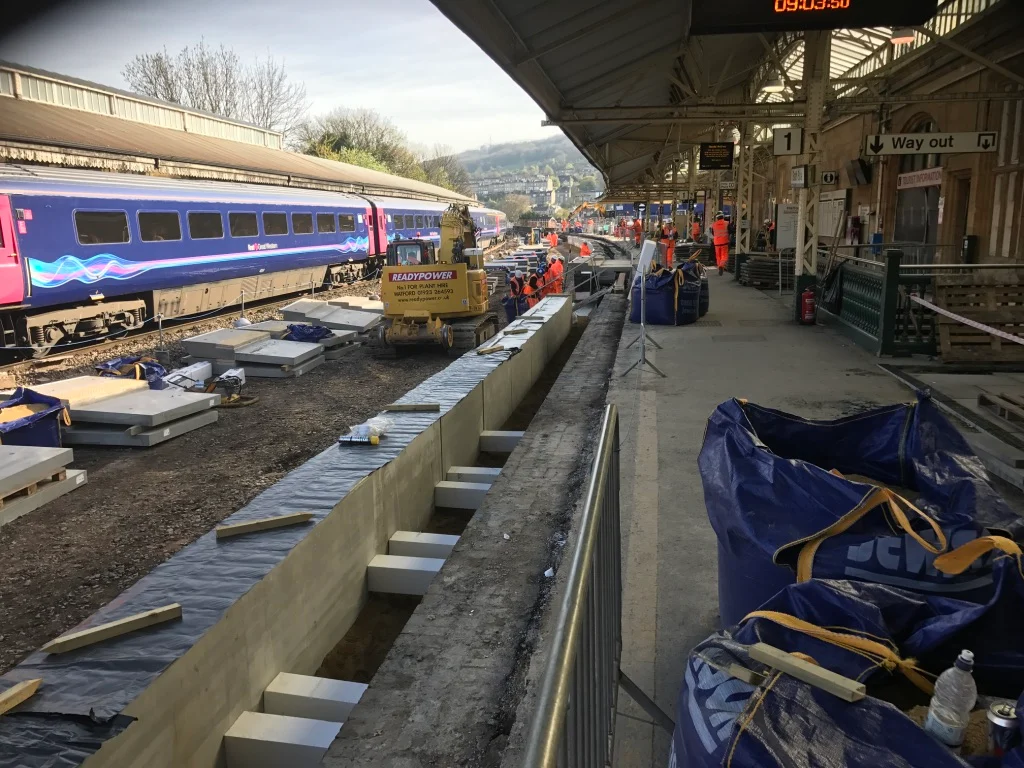
How platform realignment and a 16-day integrated blockade prepared Bath Spa for InterCity Express trains with zero weekday line closures.
Serving over 3 million passengers a year on the Great Western Main Line between Bristol and London Paddington, Bath Spa Station needed major upgrades for new InterCity Express Programme (IEP) trains and overhead line electrification. Because the station is Grade II listed, cutting back or changing the historic canopy to fit overhead lines would have caused major heritage, planning, and cost problems. Working as Lead Engineer with Network Rail, Great Western Railway, the Department for Transport, and Bath and North East Somerset Council, ei found a practical way to protect the historic roof. By using the wide space between the existing tracks, ei realigned the platforms and brought their leading edges forward from under the canopy. This created the space needed for overhead lines without touching the Grade II listed canopy, avoiding expensive heritage work and planning delays. To keep trains running during construction, ei planned the work around a 16-day blockade. Single-line working on the adjacent track kept intercity trains running between Bristol and London Paddington on weekdays, with full station closures limited to weekends.
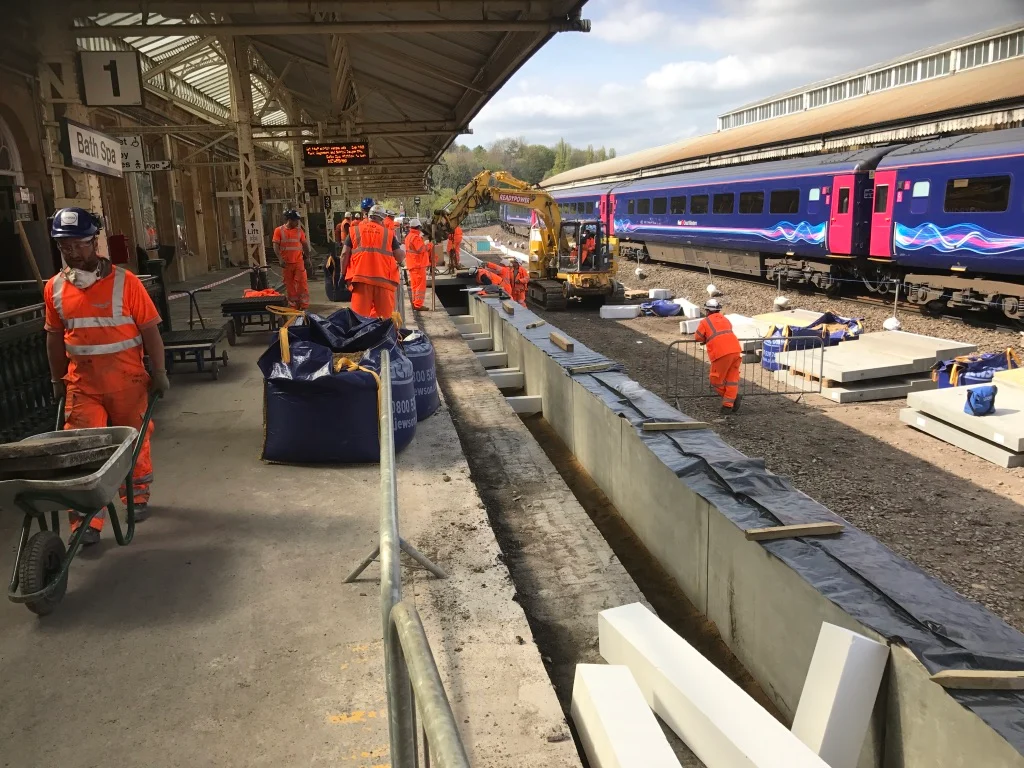
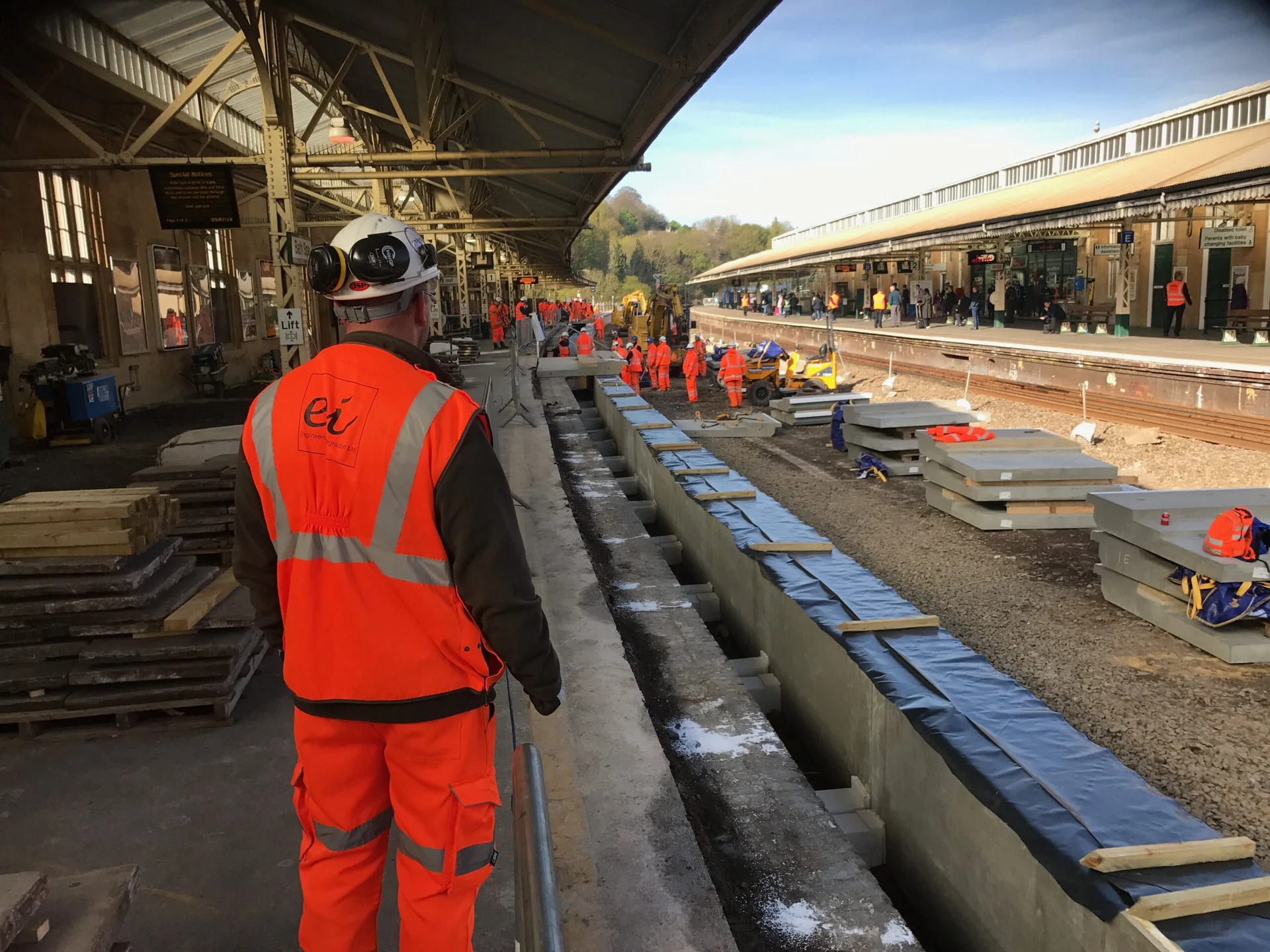
No Changes to the Grade II Listed Canopy: Moving the platform edges forward into the wide space between tracks gave the required overhead line clearances without cutting back or altering the historic canopy. No Weekday Line Closures: Running single-line services on the adjacent track kept Bristol to London Paddington intercity trains moving all week, restricting full closures to weekends. Efficient Blockade Delivery: Coordinated planning allowed more than 150 worksites to run at the same time during the 16-day window. All work finished on schedule, reopening the station with longer platforms and extra passenger capacity.
"The project demonstrated how through integrated planning and co-ordination between all design, construction and maintenance organisations and Stakeholders works deliver can be maximised, with minimum disruption to the operation railway. The project delivery was a tribute to all parties involved."
Alongside the platform realignment and blockade plan, ei managed wider upgrades and requirements across the station:
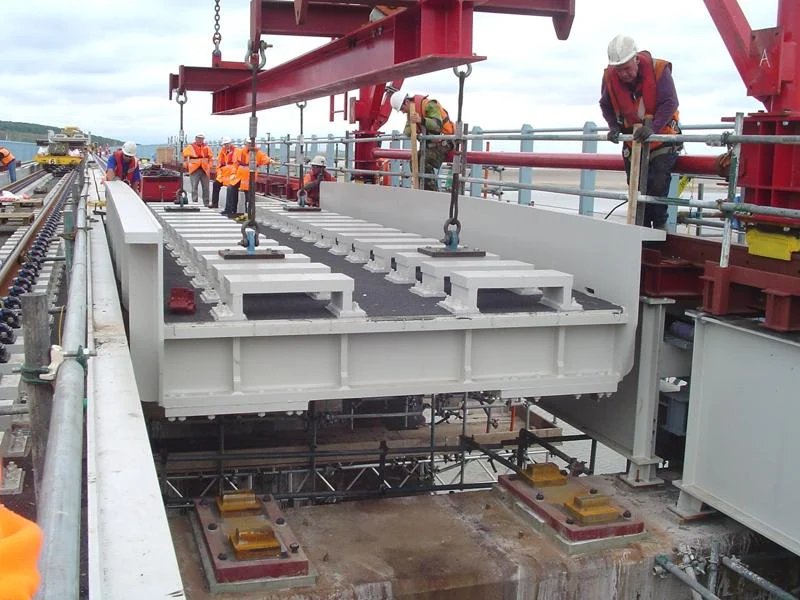
How collaborative design management and precision off-site fabrication replaced 2,800 tonnes of Victorian viaduct deck in just 14.5 weeks.
Built in 1857, the Arnside Viaduct carries the Lancaster to West Cumbria Railway across the mouth of the Kent River into Morecambe Bay Estuary. Years of deterioration had reduced the structure's load capacity and forced a permanent speed restriction. Network Rail awarded May Gurney (now Kier Rail) the £10.7m contract to refurbish the substructure and replace the entire 476m superstructure, comprising 102 individual decks and 2,800 tonnes of steel. Appointed as Contractors Engineering Manager (CEM) across both the design and construction phases, ei supported the May Gurney team alongside bridge specialists Ramboll and steelwork subcontractor Mabey Bridge. Working closely with Network Rail, the team applied value engineering and precision off-site fabrication to cut site time and costs. Mabey Bridge fully assembled and welded each bespoke span and walkway unit off-site before delivering them individually to the site compound. To install the new structure safely over the estuary, the team worked on one line at a time. Road-rail vehicles removed the track so the old deck could be cut into sections and lifted out. Before placing the new spans, crews installed walkway units on either side of the track alignment to support a bespoke gantry crane. Once the Down line (westbound) decks were in place, the team repeated the process for the Up line (eastbound), completing the entire replacement in 14.5 weeks instead of the planned 16.
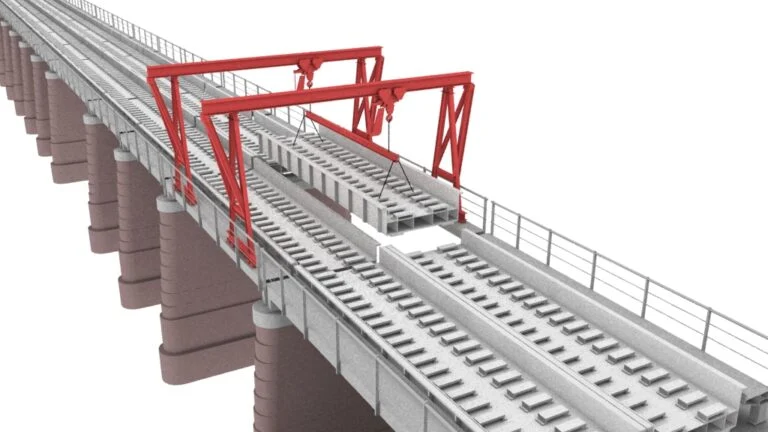
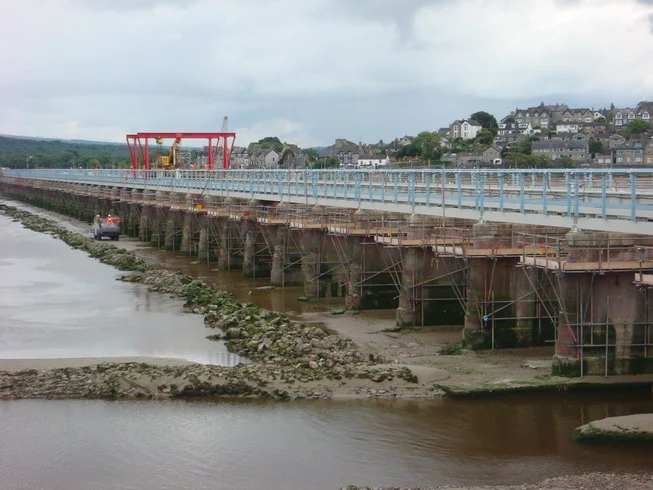
Completed Ahead of Schedule: Finished all reconstruction works in 14.5 weeks, beating the planned 16-week programme and reopening the viaduct on 18 July 2011. Delivered 34% Under Budget: Close collaboration and value engineering across the design and build teams kept project costs well below the initial budget. Precision Off-Site Fabrication: Full off-site welding and assembly of all 102 bespoke spans reduced complex on-site work over a sensitive tidal estuary and kept local disruption low.
"The project was made complete by being awarded the prestigious accolade of Civil Engineering Achievement of the Year at the National Rail Awards 2013."
Alongside acting as Contractors Engineering Manager through design and delivery, ei provided wider technical leadership across the contract:
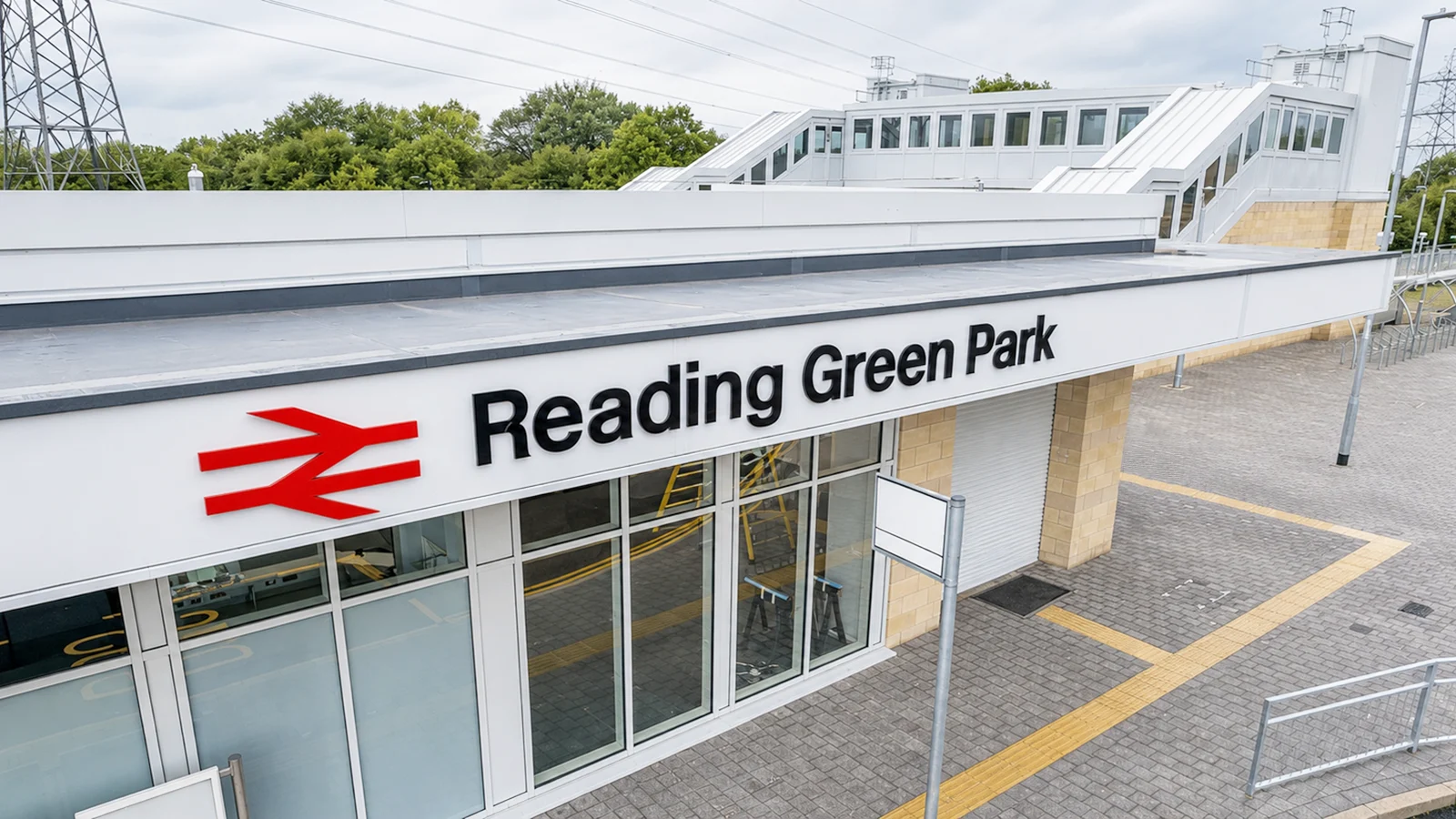
How early stakeholder buy-in and pragmatic safety management resolved last-minute commissioning hurdles on the Reading to Basingstoke line.
Acting as a third-party developer, Reading Borough Council needed to design, build, and open a new railway station on the Reading to Basingstoke line. To bring the station into service, the council had to meet strict Common Safety Method for Risk Evaluation and Assessment (CSM-REA) and Interoperability regulations, while securing formal authorisation from the Office of Rail and Road (ORR). ei supported Reading Borough Council across the entire project lifecycle, setting out the regulatory approval strategy and managing the process on their behalf. Despite delays caused by the pandemic, ei worked closely with station designers and the Principal Contractor to specify safety requirements and supply clear evidence to independent assessors. By holding regular progressive assurance meetings with Network Rail, Great Western Railway (GWR), the Department for Transport (DfT), and the ORR, ei secured early stakeholder buy-in and resolved every assessor query. During construction and commissioning, the team handled late-stage technical hurdles as they came up, keeping Network Rail and GWR ready for opening day.
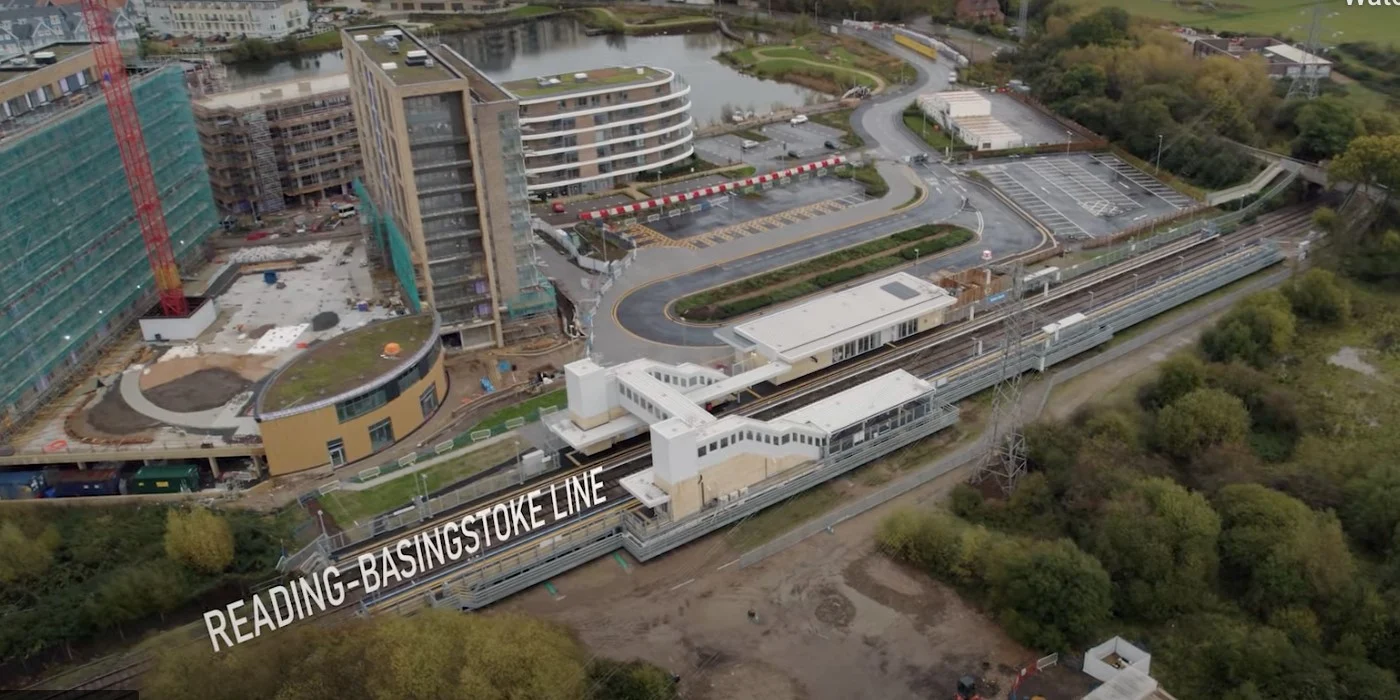
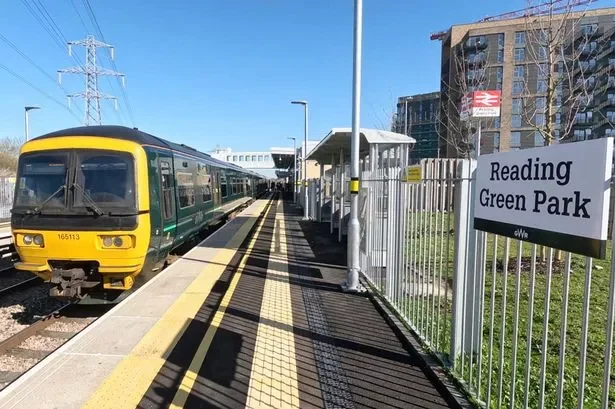
Full ORR Authorisation Achieved: Compiled and submitted all required regulatory paperwork, including the Hazard Record and Safety Justification Reports, securing formal approval to place the station into service. Reduced Compliance and Delay Risk: Regular progressive assurance meetings kept regulators and rail operators aligned throughout design and construction, preventing late-stage regulatory blocks. Day-One Operational Readiness: Worked through last-minute commissioning issues on site so Network Rail and GWR could open the station smoothly.
"Critical to the success of this project was our ability to plan and get early buy-in from stakeholders, as well as being pragmatic and adaptive to safety concerns as they arose."
Alongside managing the core regulatory approval and safety assurance strategy, ei handled wider coordination across the station lifecycle:
This is the privacy policy for Engineering Integration
Registered office address: 48 Hucclecote Road
Gloucester
GL3 3RS
Phone: +44(0) 330 133 9065
Email: co-ordinator@engineeringintegration.com
Please contact us using the details above.
Engineering Integration Ltd is a Consultant operating in the Civil Engineering industry, specifically within the rail environment. The company has committed to provide a service, which combines quality and technical excellence.
Engineering Integration Ltd is committed to ensuring that the privacy of the individual is respected and that all personal data that is processed by our organisation is dealt with in accordance with the requirements of the General Data Protection Regulation (GDPR), the Data Protection Act 2018 and other related legislation.
This policy sets out our commitment to data protection and individual rights and obligations in relation to personal data. This policy should be read in conjunction with MS/P/20 IT Security Policy, MS/P/16 Password Policy for ei and the ei Quality Management System Section 7.0 Control of Documents, Records and Information Management.
Please note where reference is made to Staff, Staff Members, Managers or Employees, this also applies to consultants and suppliers working on behalf of Engineering Integration Ltd. All of whom should be aware of this document. Anyone working for Engineering Integration who is involved in any aspect of processing managing or analysing personal data must adhere to the policy herein.
Ultimately it is the responsibility of the Directors of Engineering Integration Ltd to ensure GDPR compliance. Our Data Protection Officer at the time off issuing this policy is Team Co-ordinator.
Any questions about this policy should be addressed to them. If they are no longer the Data Protection Officer, you can find out who is by contacting: Co-ordinator@engineeringintegration.com.
This policy applies to the personal data of, employees workers, students, consultants, job applicants and former employees referred to as personal data. This policy also includes a section on the processing of client’s personal data.
Personal data: is any information that relates to a living individual who can be identified from that information.
Processing: is any use that is made of data, including collecting, storing, amending, disclosing or destroying it.
Special categories of personal data: means information about an individual's racial or ethnic origin, political opinions, religious or philosophical beliefs, trade union membership, health, or sexual orientation and genetic and biometric data.
Criminal records data: means information about an individual's criminal convictions and offences, and information relating to criminal information allegations and proceedings.
Engineering integration Ltd (ei) processes HR related personal data in accordance with the following data protection principles:
ei informs individuals of the reasons for processing their personal data, how it uses that data and the legal basis for processing within the ei Privacy Notice. ei will not process personal data of individuals for any other reason. Where ei relies on its legitimate interests as the basis for processing data, we will carry out an assessment to ensure that the business interests do not override the rights and freedoms of individuals.
Where ei processes special categories of personal data or criminal records data to perform obligations or to exercise rights in employment law, this is implemented in accordance with GDPR regulations regarding special categories of data and criminal records data.
ei will update personal data promptly if an individual advises that his/her information has changed or is inaccurate.
Personal data gathered during the employment or assignment is held in the individual’s personal file (in hard copy, electronic form or both).
Arrangements for IT Data protection is detailed in the MS P 20 IT Security Policy ei 2025, MS P 18 IT Systems BYOD policy 2025.
Data protection training will be managed by ReformIT using periodic training exercises sent by email, anti phishing testing and reporting. Also behavioural safety training for employees will cover IT safety and security. See MS O 10 Staff training Matrix for details.
ei will only retain personal information for as long as is necessary to fulfil the purposes we collected it for, including the purposes of satisfying any legal, accounting or reporting requirements.
To determine the appropriate retention period for persona data, we consider the amount, nature and sensitivity of the personal data, the potential risk of harm from unauthorized use or disclosure of persona data, the purposes for which we process personal data and whether we can achieve those objectives through other means, and the applicable legal requirements.
ei keeps a record of its processing activities in respect of HR related personal data in accordance with the requirements of the GDPR. Please refer to the ei Data Retention and Erasure Policy for further information.
As a data subject, individuals have a number of rights in relation to their personal data.
Access requests: Individuals have the right to make a Subject Access Request (SAR). If an individual makes a SAR ei can tell him/her:
ei will also provide the individual with a copy of the personal data undergoing processing. This will normally be in electronic form if the individual has made the request electronically unless he/she agrees otherwise.
The ultimate responsibility for quality is with the directors. The policy and its implementation will be reviewed annually. It will be revised and updated as necessary.
Reviewed February 2026
This is the anti-slavery and human trafficking policy for Engineering Integration
Registered office address: 48 Hucclecote Road
Gloucester
GL3 3RS
Phone: +44(0) 330 133 9065
Email: co-ordinator@engineeringintegration.com
Please contact us using the details above.
Engineering Integration Ltd maintains relationships with many different organisations in its supply chain as well as directly employing people. Following on from the general law on employment and human rights, and, more specifically, the Modern Slavery Act 2015 and the ILO/UN Guiding Principles, we have reviewed our existing compliance and the risk management processes to determine to what extent measures already exist, and what further measures may be required to prevent slavery and human trafficking taking place in any part of the business or in its supply chains.
We expect all or who have, or seek to have, a business relationship with Engineering Integration Ltd, to familiarise themselves with our anti-slavery policy and to act at all times in a way which is consistent with its values. Zero tolerance is at the core of Engineering Integration Ltd’s Anti-Slavery policy.
Modern slavery is a criminal offence under the Modern Slavery Act 2015 (the ‘Act’). Modern slavery can occur in various forms, including servitude, forced or compulsory labour and human trafficking, all of which have in common the deprivation of a person’s liberty by another in order to exploit them for personal or commercial gain. This document sets out the policy of Engineering Integration Ltd with the aim of the prevention of opportunities for modern slavery to occur within its business or supply chain. This policy’s use of the term ‘modern slavery’ has the meaning given in the Act.
The company has a zero-tolerance approach to modern slavery. It is committed to acting ethically and with integrity in all our business dealings and relationships and to implementing and enforcing effective systems and controls to ensure modern slavery is not taking place anywhere within our Company or those of its suppliers.
The Company is committed to ensuring there is transparency in its own business and in our approach to tackling modern slavery throughout its supply chains, consistent with its disclosure obligations under the Modern Slavery Act 2015. The Company expects the same high standards from all its contractors, suppliers and other business partners, and the Company is evolving and updating our contracting processes to include specific prohibitions against the used force, compulsory or trafficked labour, or anyone held in slavery or servitude, whether adults or children. The Company expects its suppliers to hold their own suppliers to the same high standards.
All staff have an obligation to familiarise themselves with the Company's procedures to help in the identification and prevention of modern slavery and to conduct business in a manner such that the opportunity for and incidence of modern slavery is prevented. Adherence to this policy forms part of all employees’ obligations under their contract of employment.
Whilst recognising the Company’s statutory obligation to set out the steps it should take to ensure that modern slavery and human trafficking is not taking place in its supply chains, the Company acknowledges that it does not control the conduct of individuals and organisations in its supply chains.
To underpin its compliance with practical steps, the Company intends to implement the following measures:
Ultimate responsibility for the prevention and the prevention of modern slavery rests with the Company’s leadership. The Director for Health & Safety has overall responsibility for ensuring this policy and its implementation complies with its legal and ethical obligations.
Managers at all levels are responsible for ensuring those reporting to them understand and comply with this policy and are given adequate and regular training on it and the issue of modern slavery.
The confidential email address – co-ordinator@engineeringintegration.com - may be contacted by employees or any other person wishing to raise a concern.
You should notify the Company in any of the following circumstances:
Any reports to the email address above are kept in confidence, subject to the need for the Company to act responsibly and within the law. The source of reports to the email address will be kept confidential, save to the extent that maintaining that secrecy or the anonymity of the source is not permitted by law, or is not consistent with the Company maintaining adequate procedures for the prevention of modern slavery being committed on its behalf or in any element of its supply chain.
The Company encourages members of the public or people not employed by us to write, in confidence, to the Director(s) to raise any concern, issue or suspicion of modern slavery in any part of our business or related supply chain.
Any employee who breaches this policy will face disciplinary action, which could result in dismissal for gross misconduct.
We will terminate our relationship with other individuals and organisations working on our behalf if they materially breach this policy.
The company aims to encourage openness and will support anyone who raises genuine concerns in good faith under this policy, even if they turn out to be mistaken. The Company is committed to ensuring no one suffers any detrimental treatment as a result of reporting in good faith their suspicion that modern slavery of whatever form is or may be taking place in any part of its business or in any of its supply chains. Detrimental treatment includes dismissal, disciplinary action, threats or other unfavourable treatment connected with raising a concern. The Company will accept and take seriously concerns communicated anonymously.
However, retention of anonymity does render investigations and validation more difficult and can make the process less effective. Individuals are therefore encouraged to put their names to allegations.
Any claims or allegations made which are found to be malicious or vexatious will result in disciplinary action being taken against the individual.
The company’s zero-tolerance approach to modern slavery must be communicated to all suppliers, contractors and business partners at the outset of the Company’s business relationship with them and reinforced as appropriate thereafter. In addition, all staff and Consultants within the company must fully comply with the policy wherever they are based globally.
Following its initial adoption, this Anti-Slavery and Human Trafficking Policy will be reviewed on a regular basis (at least annually) and may be amended from time to time.
Reviewed March 2026